
Keeping Your Grass Healthy During Winter in Northern Florida
Winter lawn care in Northern Florida presents unique challenges that many homeowners don't fully understand. Unlike the rest of the state, Northern Florida experiences cooler temperatures, occasional frost, and shorter daylight hours that can stress warm-season grasses. We've helped countless homeowners navigate these seasonal transitions, and the key lies in understanding how your grass responds to winter conditions and adjusting your care routine accordingly.
The difference between a lawn that emerges vibrant in spring and one that struggles comes down to the care you provide during these dormant months. With proper winter maintenance, your grass will develop stronger root systems and greater resilience, setting the stage for lush growth when temperatures warm up again.
Understanding Northern Florida's Winter Grass Challenges
Northern Florida's winter climate creates a unique environment where warm-season grasses slow their growth significantly or enter partial dormancy. Unlike South Florida, where grasses often stay actively growing year-round, Northern Florida lawns face temperatures that can dip into the 20s and 30s, creating stress conditions that require specific care strategies.
The region's shorter winter days reduce photosynthesis, while cooler soil temperatures slow nutrient uptake and root development. These factors combine to make your grass more vulnerable to damage from foot traffic, improper watering, and maintenance mistakes that would be less harmful during the growing season.

Best Grass Varieties for Northern Florida Winters
St. Augustine Grass remains the most popular choice for Northern Florida landscapes because of its excellent cold tolerance and ability to maintain some green color through mild winters. This variety handles temperature fluctuations well and recovers quickly in spring.
Bermuda Grass offers exceptional durability and drought tolerance, though it typically goes fully dormant and turns brown during winter months. Its aggressive growth habit helps it recover rapidly from winter stress.
Zoysia Grass provides excellent cold tolerance and maintains a dense, carpet-like appearance. While it grows more slowly than other varieties, its winter hardiness makes it ideal for Northern Florida conditions.
Bahia Grass thrives in Northern Florida's sandy soils and demonstrates remarkable cold tolerance. Its deep root system helps it survive winter stress with minimal care requirements.
Each variety responds differently to winter conditions, which is why we tailor our landscaping services Florida approach based on your specific grass type and property conditions.
Winter Fertilizing Guidelines
Stop fertilizing at the right time. The most critical rule for Northern Florida lawns involves stopping nitrogen fertilization by mid-September and avoiding all fertilizer applications through mid-April. This timing prevents stimulating new growth that would be vulnerable to cold damage and helps your grass conserve energy for winter survival.
Choose the right final fertilizer. Your last fall application should use a low-nitrogen, high-potassium formula like 15-0-15. The potassium strengthens cell walls and improves cold tolerance, while the reduced nitrogen prevents vulnerable new growth. We apply these specialized winter-prep fertilizers at precisely the right timing to maximize their protective benefits.
Avoid common timing mistakes. Many homeowners continue fertilizing too late in the season, thinking they're helping their grass stay green. This actually weakens the plant by forcing it to produce tender new growth just as temperatures begin dropping.
Proper Winter Mowing Practices
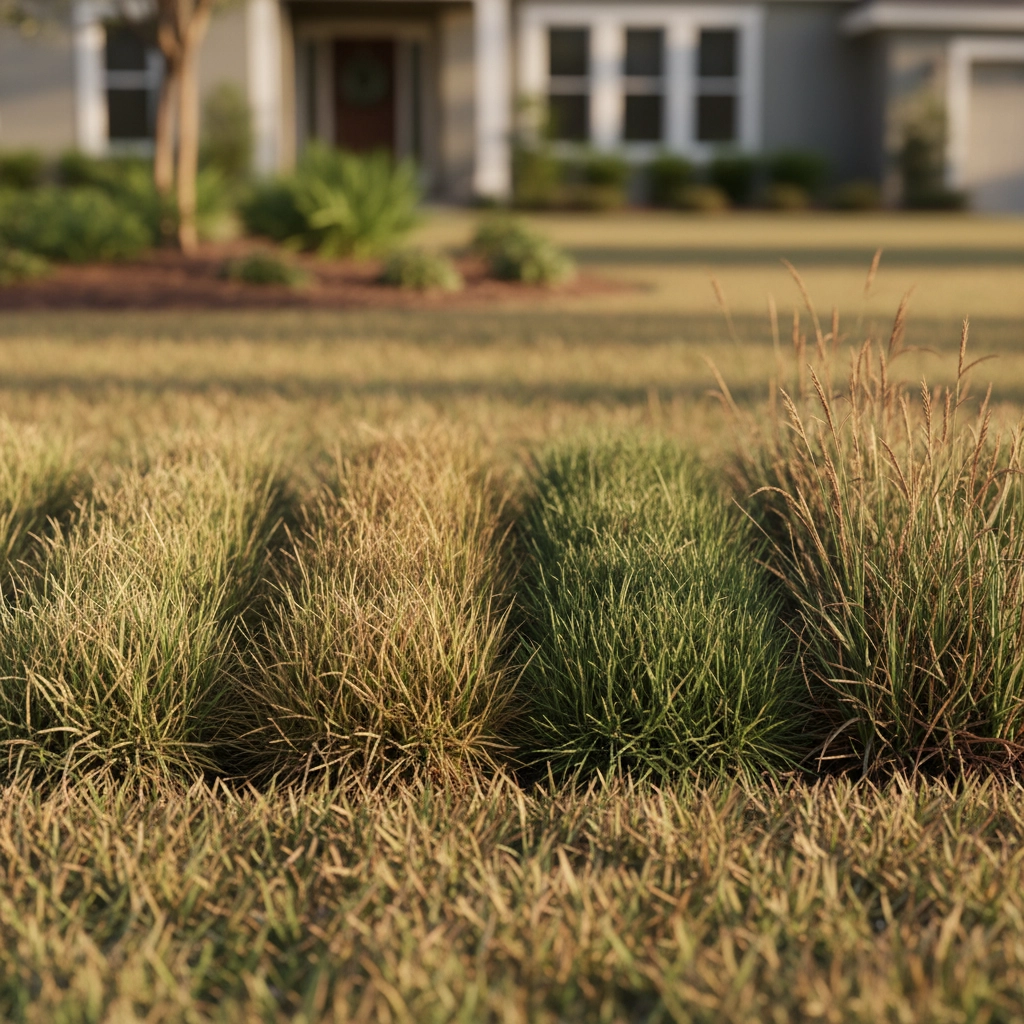
Maintain optimal heights year-round. Different grass varieties require specific cutting heights that become even more critical during winter months:
St. Augustine grass: 4 to 5 inches
Bermuda grass: 2 to 3 inches
Zoysia grass: 2 to 3 inches
Bahia grass: 3 to 4 inches
These heights provide better insulation for root systems while maintaining enough leaf surface for photosynthesis during shorter winter days.
Reduce mowing frequency. As growth slows during winter, you'll need to mow less frequently. We monitor growth rates closely and adjust our maintenance schedules accordingly, ensuring we never remove more than one-third of the blade length in a single cutting.
Keep blades sharp. Cold-stressed grass heals more slowly from cutting damage, making sharp mower blades essential. Dull blades tear grass rather than cutting cleanly, creating entry points for diseases and pests.
Strategic Winter Watering
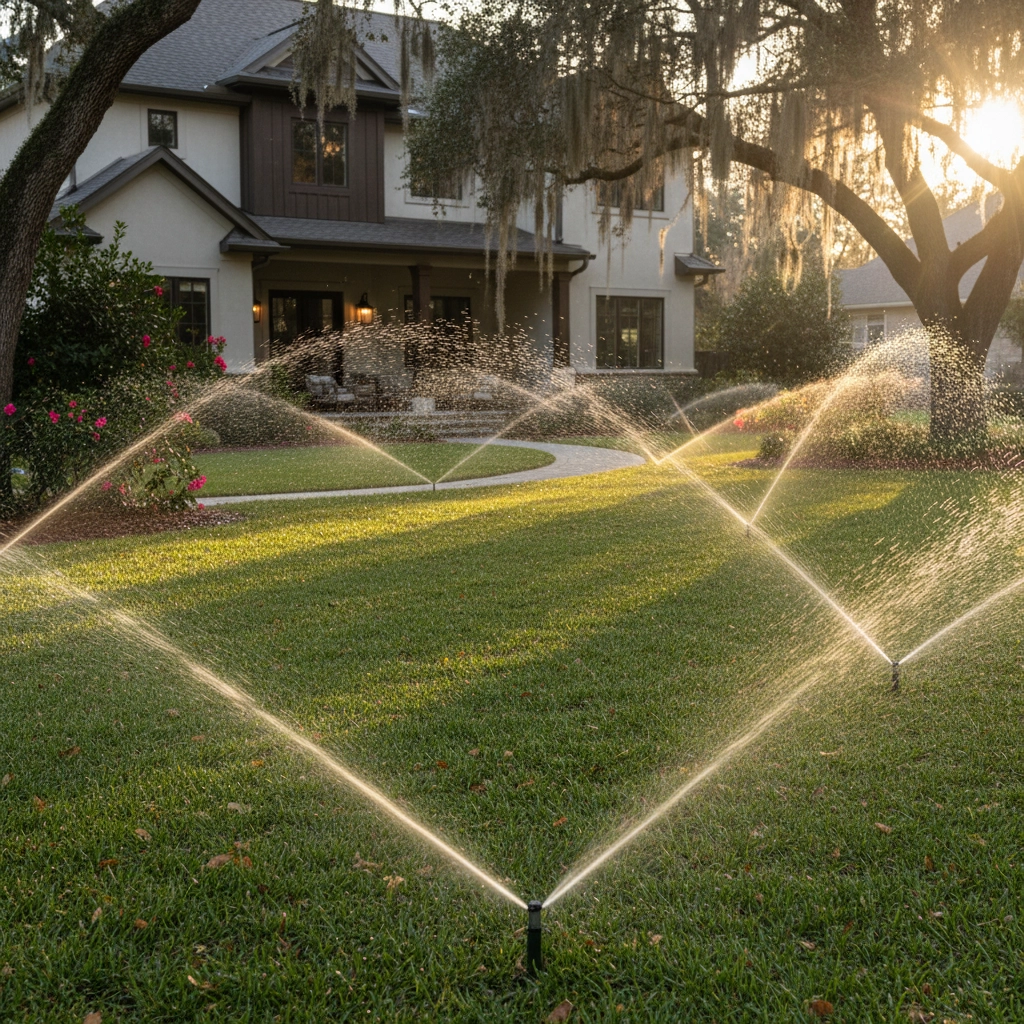
Reduce watering substantially. Winter grass needs approximately 0.5 to 1 inch of water per week, compared to 1 to 1.5 inches during summer. Northern Florida's dry winter winds can still cause dehydration, but overwatering creates more problems than underwatering during dormant periods.
Water deeply but less frequently. Apply water once or twice weekly in deeper applications rather than frequent light watering. This encourages deeper root growth and improves drought tolerance for the following growing season.
Monitor rainfall carefully. Track natural precipitation and adjust your irrigation accordingly. Our smart irrigation systems automatically adjust for rainfall and seasonal changes, taking the guesswork out of winter watering.
Protecting Your Lawn During Winter
Minimize foot traffic. Dormant grass blades become brittle and break easily under foot traffic. The damage appears worse during winter and takes longer to recover in spring. We recommend establishing designated pathways or temporary walkways for high-traffic areas.
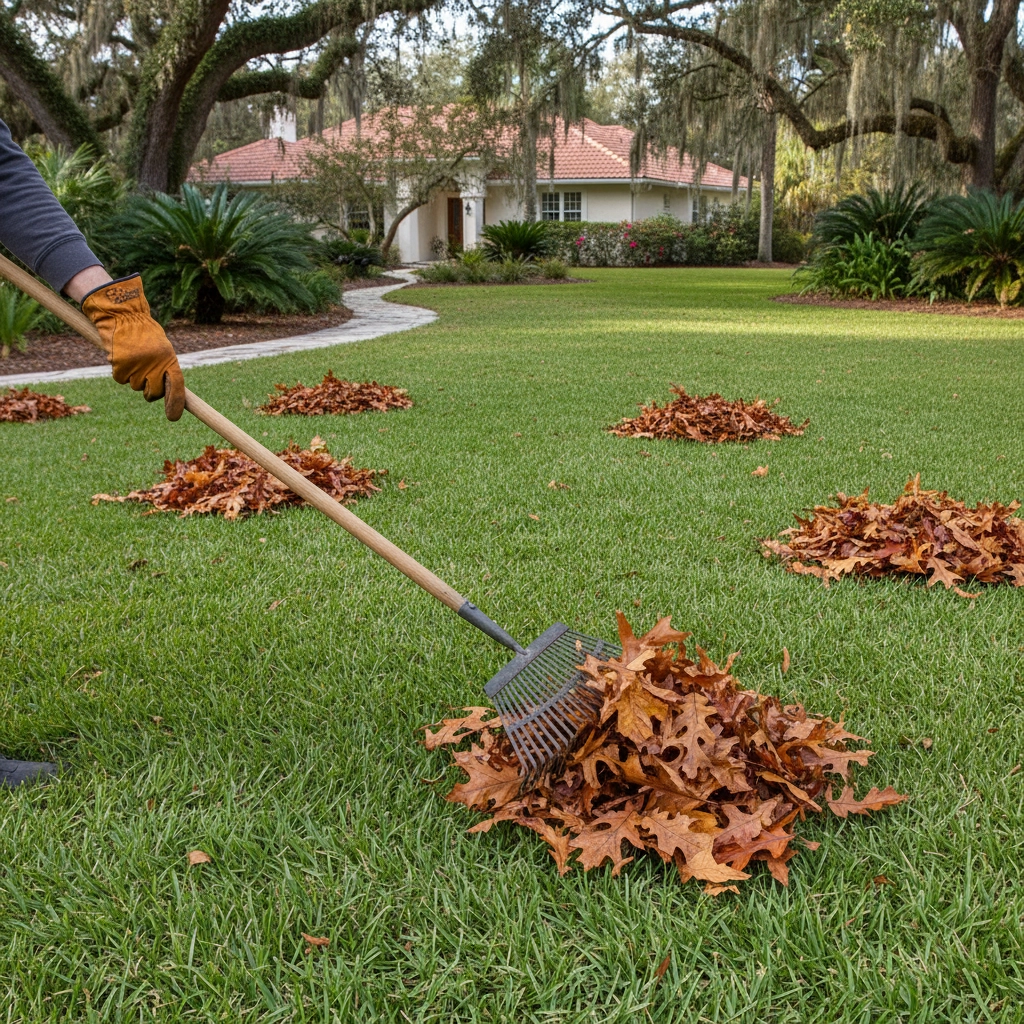
Remove debris promptly. Fallen leaves, pine needles, and other organic matter trap moisture against grass blades, creating ideal conditions for fungal diseases. Regular removal prevents these issues while allowing better air circulation.
Avoid soil compaction. Winter soil stays moist longer, making it more susceptible to compaction damage. Heavy equipment or excessive foot traffic during wet conditions can compress soil structure, limiting root growth and water infiltration.
Winter Color Options and Overseeding
Consider ryegrass overseeding. For homeowners who want green lawns throughout winter, overseeding with annual ryegrass provides temporary color. Start this process when daytime temperatures consistently reach the low 70s, typically in late October or early November.
Prepare properly for overseeding. Success requires thorough lawn preparation including raking, light dethatching, and proper soil contact. The temporary ryegrass will naturally die off as temperatures warm in late spring.
Explore professional colorants. Turf colorants offer an alternative to overseeding, providing natural-looking green color without additional water, mowing, or fertilizer requirements. These environmentally safe products can maintain appearance through the dormant season.
Common Winter Lawn Care Mistakes
Late-season fertilizing ranks as the most damaging mistake. Applying nitrogen after mid-September stimulates growth that won't survive cold snaps, weakening the entire plant.
Cutting grass too short removes essential leaf surface needed for photosynthesis during reduced daylight hours. Scalped lawns struggle to recover in spring.
Overwatering during dormancy creates fungal problems and weakens root systems. Dormant grass needs much less water than actively growing turf.
Ignoring debris accumulation allows disease-promoting conditions to develop under fallen leaves and organic matter.
Professional Winter Lawn Care Services
Our comprehensive landscaping Florida approach includes specialized winter maintenance programs designed for Northern Florida conditions. We understand how different grass varieties respond to seasonal changes and adjust our care accordingly.
Customized maintenance schedules ensure your lawn receives appropriate care throughout winter months. We monitor weather conditions and adjust watering, mowing, and other services based on actual grass needs rather than calendar dates.
Professional equipment and expertise make the difference in winter lawn care. Our commercial-grade equipment maintains sharp cutting edges, and our technicians understand the subtle signs that indicate when adjustments are needed.
Integrated landscape design considers winter appearance alongside year-round beauty. We help homeowners create landscapes that remain attractive during dormant seasons while supporting healthy grass recovery in spring.
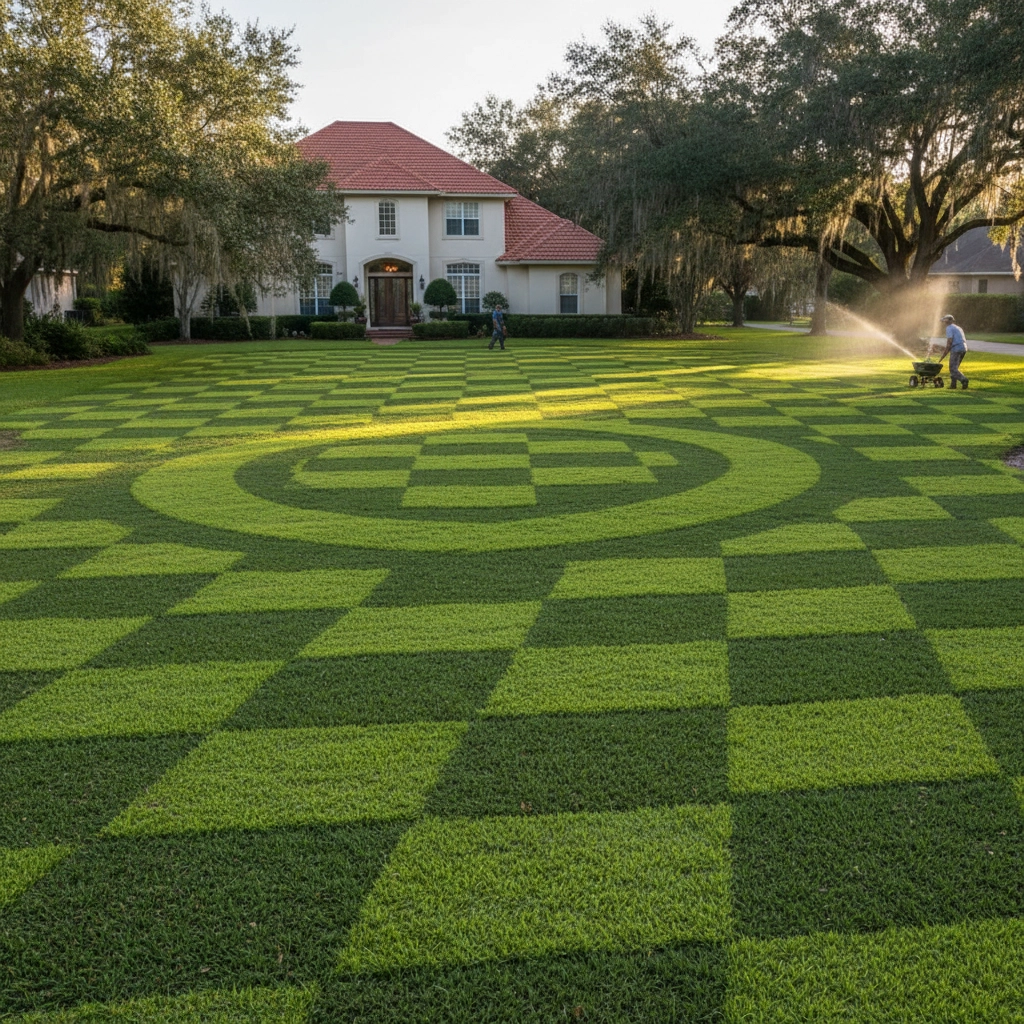
Winter lawn care in Northern Florida requires understanding your grass variety's specific needs and adjusting maintenance practices accordingly. The decisions you make during these slower months directly impact your lawn's spring performance and long-term health. With proper care, your grass will emerge from winter dormancy stronger and more resilient, ready to provide the lush, beautiful landscape you envision.
We bring decades of experience helping Northern Florida homeowners maintain healthy, attractive lawns through every season. Our backyard landscaping Florida expertise ensures your lawn receives the precise care it needs to thrive year-round, from specialized winter maintenance to comprehensive landscape design services.
Comments