
Are You Making These Common Backyard Landscaping Mistakes in Florida? (Drought-Resistant Plant Edition)
Florida's unique climate presents both opportunities and challenges for homeowners seeking to create beautiful, sustainable landscapes. With intense heat, unpredictable rainfall, and sandy soils, even the most well-intentioned landscaping projects can quickly turn into costly mistakes. We've seen countless homeowners struggle with common errors that not only waste money but can actually damage their property and harm their foundation.
Whether you're planning a complete landscape overhaul or simply want to incorporate more drought-resistant plants into your existing design, understanding these frequent missteps will save you time, money, and frustration. Let's examine the most critical landscaping mistakes we encounter in Florida and how to avoid them.
The Plant Selection and Spacing Trap
One of the most expensive mistakes we see is improper plant selection and spacing. Many homeowners fall in love with a plant's appearance at the nursery without considering its mature size or environmental needs. This leads to overcrowded gardens where plants compete for resources, or sparse landscapes with awkward gaps.
Bad plant spacing creates a domino effect of problems. When drought-resistant plants are clustered too tightly together, they still compete for water and nutrients, defeating the purpose of choosing hardy species. The key is planning for mature growth: that small palm or oak tree will eventually spread much wider than its current footprint.
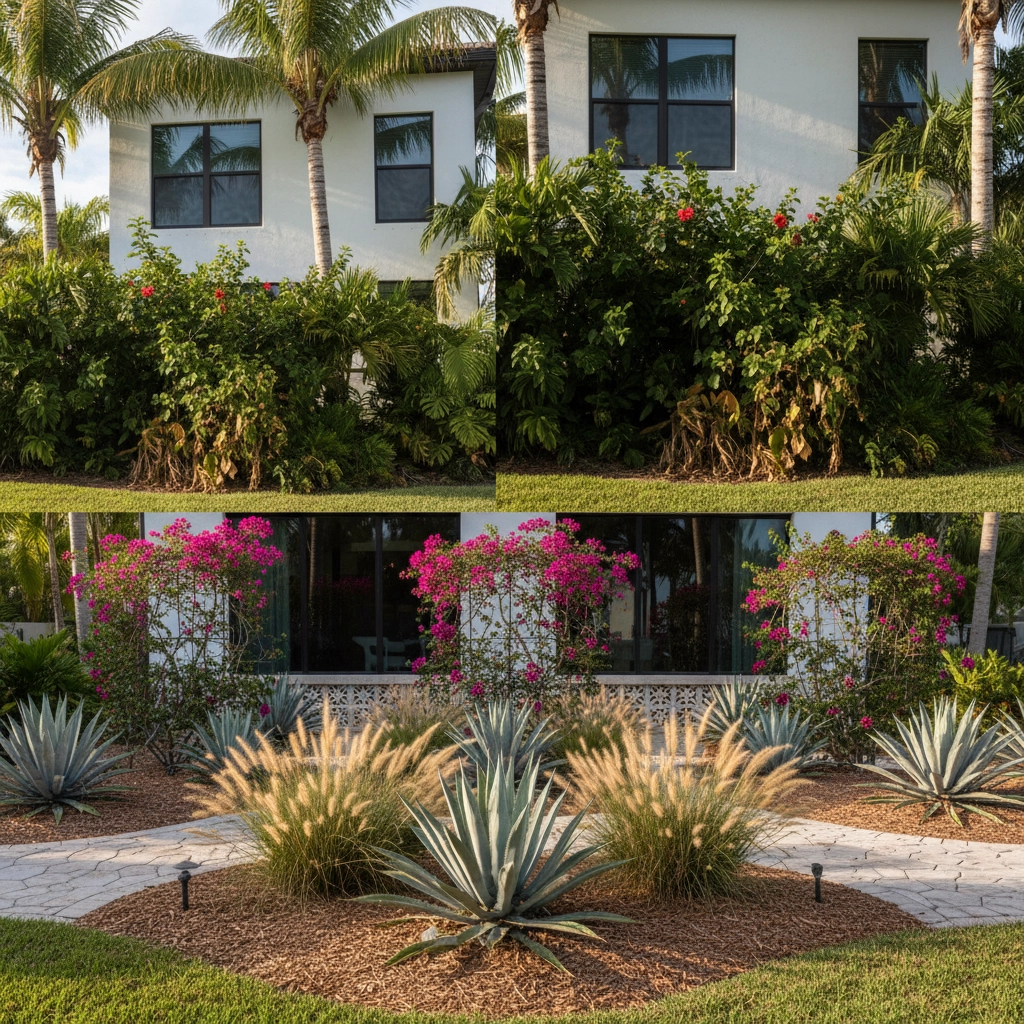
Even more critical is putting plants in the wrong spots. We frequently encounter homeowners who've mixed sun-loving succulents with shade-preferring ferns, or placed drought-resistant plants next to species that require frequent watering. This creates maintenance nightmares and wastes water, as you'll either underwater the thirsty plants or overwater the drought-tolerant ones.
Group plants by their water and light needs. Cluster your drought-resistant plants together so they can share the same irrigation schedule. Keep your high-maintenance, water-loving plants in separate zones. This approach not only conserves water but ensures each plant thrives in its optimal conditions.
Florida's sandy soils add another layer of complexity. In many parts of the state, especially South Florida, the sandy composition has lower nutrient retention. Even drought-resistant plants need proper soil preparation to establish strong root systems. We often incorporate soil amendments to improve drainage and nutrient availability, setting your plants up for long-term success.
Water Management Mistakes That Cost Thousands
Irrigation system errors are among the most costly mistakes we encounter. Many homeowners install systems without considering long-term growth patterns. Placing irrigation valves too close to trees is a classic error: that small oak tree you're planting today will spread its roots significantly, potentially damaging nearby irrigation components within a few years.
Overwatering is surprisingly common, even among homeowners who choose drought-resistant plants. The misconception that "more water equals healthier plants" leads to soggy soil conditions that can damage your home's foundation. When irrigation systems soak the area directly adjacent to your house, the excess moisture creates pressure against foundation walls and can lead to serious structural issues.
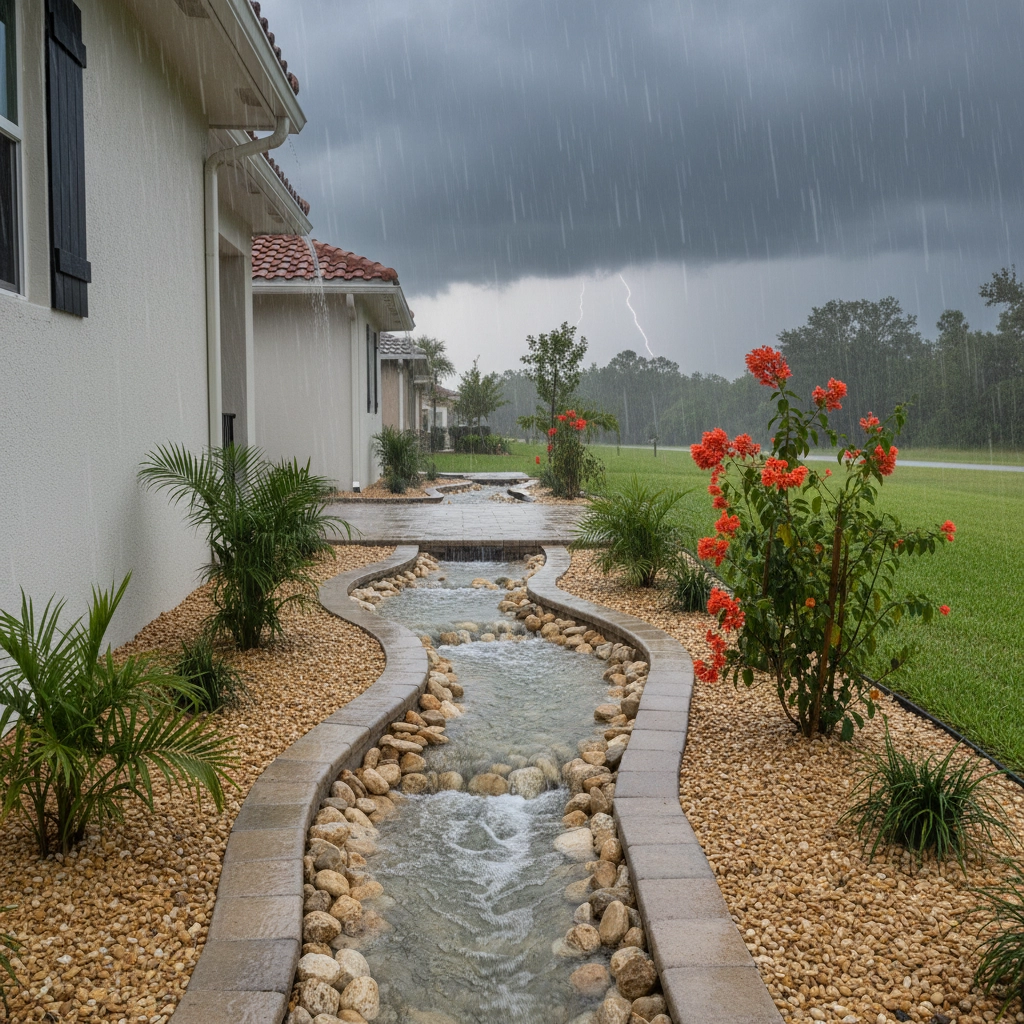
Proper drainage design is non-negotiable in Florida landscapes. Your yard should slope away from your home at a rate of at least 6 inches over 10 feet. During heavy rainstorms, take a walk around your property to observe water flow patterns. If water is pooling near your foundation or flowing toward your house, immediate changes are needed.
We recommend installing proper drainage systems like French drains or swales to direct water away from structures. For drought-resistant landscaping, this drainage planning becomes even more critical: these plants often can't tolerate standing water, even temporarily.
Foundation Safety: More Critical Than You Think
Florida's sandy soils are easily displaced, especially during heavy rains or strong winds. If the soil supporting your foundation is washed away, it can lead to dangerous instability that costs tens of thousands of dollars to repair.
Avoid piling mulch against your home's walls. While mulch helps retain moisture for plants, when it's stacked high against siding or stucco, it traps moisture and can lead to rot, mold, or termite problems. Instead, leave a 6-inch gap between mulch and your home's exterior walls.
For areas close to your foundation, consider ground cover plants like Sunshine Mimosa or Perennial Peanut. These drought-resistant options help stabilize soil while allowing proper drainage. They create an attractive border without the moisture retention problems associated with heavy mulch applications.
The High Cost of Poor Planning
Lack of a cohesive landscape plan is perhaps the most fundamental mistake we encounter. Without proper planning, yards become collections of random plants and features that don't work together functionally or aesthetically.
A comprehensive landscape plan for Florida must account for seasonal changes, drainage patterns, and year-round functionality. During our rainy season, areas that seemed perfectly functional in dry conditions can become flooding zones. During drought periods, poorly planned irrigation zones waste water and stress plants unnecessarily.
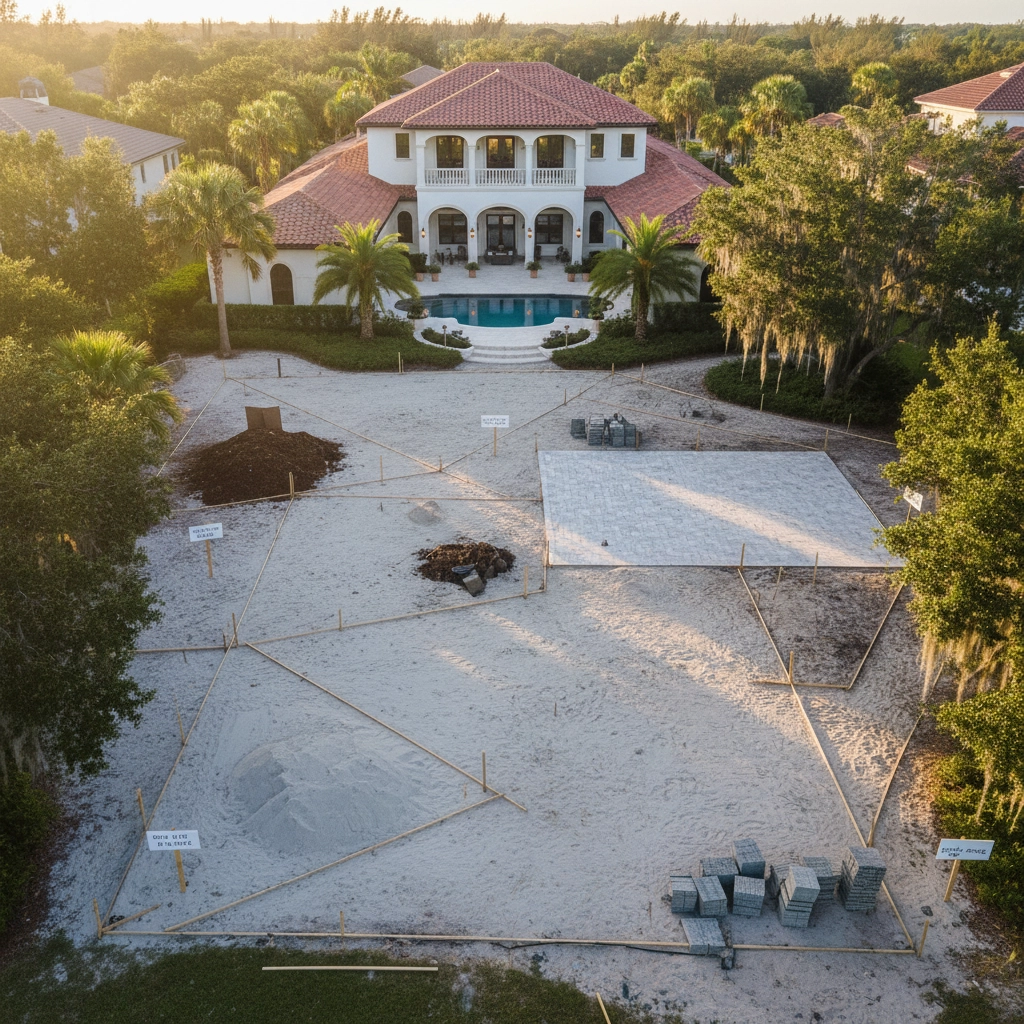
Test major features before installation. If you're considering a circular driveway or large patio area, physically mark it out and test the space. Park your car in the proposed location and ensure there's adequate room for doors to open without stepping on planted areas. These simple tests prevent expensive relocations later.
We also see homeowners neglect to create functional outdoor living spaces. Your landscape should be both beautiful and usable, with designated areas for entertaining, relaxation, or recreation. Drought-resistant landscaping doesn't mean sacrificing functionality: proper planning creates spaces that are both water-wise and livable.
The Maintenance Mistake That Ruins Everything
Ignoring long-term maintenance needs destroys even the most well-designed landscapes. Many homeowners assume that choosing drought-resistant plants means minimal ongoing care, but this isn't accurate. All landscapes require regular maintenance to remain healthy and attractive.
Establish a seasonal maintenance routine that includes cleaning gutters, trimming plants away from your home's exterior, monitoring soil levels after heavy storms, and inspecting drainage systems. Even drought-resistant plants need occasional pruning, fertilization, and pest monitoring.
Foundation monitoring is ongoing. Check your landscape's interaction with your home's structure seasonally. Look for signs of soil erosion, water pooling, or root growth near utility lines. Address issues promptly before they become expensive problems.
Regular irrigation system maintenance ensures optimal water efficiency. Check for broken sprinkler heads, clogged drip emitters, or zones that aren't functioning properly. A properly maintained irrigation system keeps drought-resistant plants healthy while minimizing water waste.
Moving Forward With Confidence
Creating a beautiful, sustainable Florida landscape that incorporates drought-resistant plants requires careful planning, proper installation, and ongoing maintenance. The mistakes we've outlined are completely avoidable with proper knowledge and professional guidance.
At Quality Outdoors, we've helped countless homeowners avoid these costly errors through comprehensive landscape planning that considers Florida's unique challenges. Our approach combines water-efficient design with long-term sustainability, creating outdoor spaces that enhance your property value while protecting your investment.
Don't let common landscaping mistakes turn your outdoor dreams into expensive nightmares. Whether you're planning a new landscape or addressing problems with an existing one, professional guidance ensures your project succeeds from day one. Contact us to discuss how we can help you create the drought-resistant, beautiful landscape you've been envisioning: without the costly mistakes that plague so many Florida homeowners.
Comments